In the auto collision repair industry, paint matching is a critical aspect that can significantly influence the overall quality of a vehicle’s restoration. When a car undergoes repairs, especially after an accident, it is essential that the new paint applied to the repaired areas closely resembles the original color. This is not merely a matter of aesthetics; it also plays a vital role in maintaining the vehicle’s value.
A well-matched paint job can enhance the car’s appearance, making it look as good as new, while a poor match can detract from its visual appeal and potentially lower its resale value. Moreover, paint matching is crucial for customer satisfaction. Car owners expect their vehicles to be returned in pristine condition, and any discrepancies in color can lead to dissatisfaction and mistrust in the repair shop.
A seamless paint match not only reflects the skill and professionalism of the repair technicians but also reinforces the reputation of the collision repair facility. In an industry where word-of-mouth and online reviews can make or break a business, ensuring that paint matching is executed flawlessly is paramount.
Key Takeaways
- Accurate paint matching is crucial for a seamless repair and a flawless finish
- Post-repair paint matching involves a meticulous process to ensure a perfect color match
- Factors such as lighting, temperature, and application technique can affect paint matching
- Techniques like blending, tinting, and color matching software are used to achieve accurate paint matching
- Advanced technology and tools like spectrophotometers and color matching software are essential for precise paint matching
The Process of Post-Repair Paint Matching
Assessing the Original Color
The process of post-repair paint matching begins with a thorough assessment of the vehicle’s original color. Technicians often use color spectrophotometers, which are sophisticated devices that analyze the existing paint and provide precise color readings. This technology allows for an accurate determination of the original hue, saturation, and brightness levels, ensuring that the new paint will blend seamlessly with the untouched areas of the vehicle.
Creating a Custom Paint Formula
Once the original color has been identified, technicians will prepare a custom paint formula that takes into account various factors such as the type of paint used, the age of the vehicle, and any fading that may have occurred over time. This step is crucial because even minor variations in color can be noticeable, especially under different lighting conditions.
Testing and Refining the Match
After mixing the paint, technicians will conduct test sprays on a sample panel to evaluate how well the new paint matches the original. This iterative process may require several adjustments before achieving the perfect match.
Factors Affecting Paint Matching
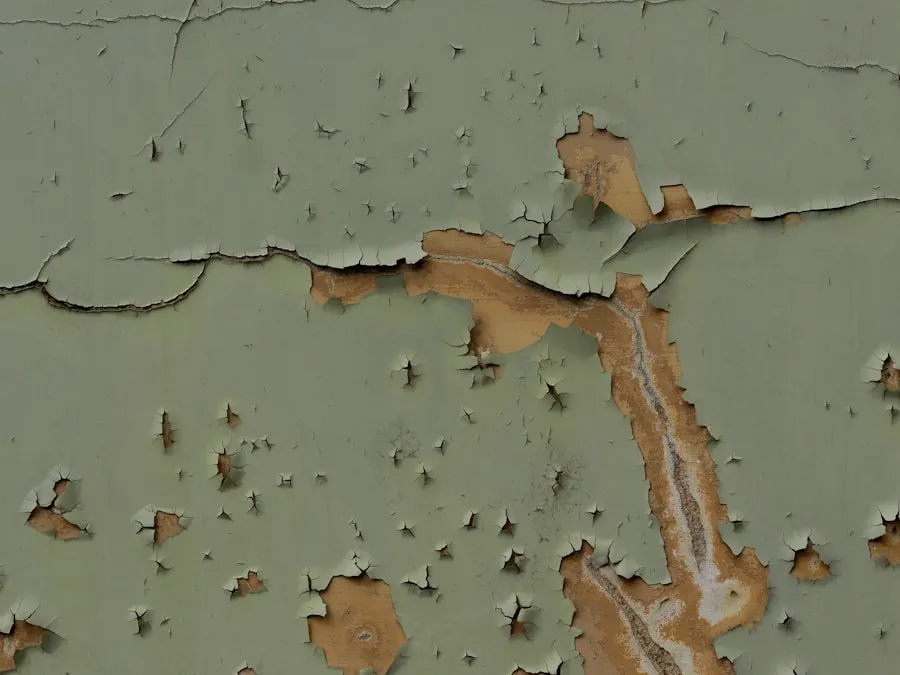
Several factors can influence the accuracy of paint matching in auto collision repair. One significant factor is the age of the vehicle. Over time, exposure to sunlight, weather conditions, and environmental pollutants can cause paint to fade or change color slightly.
This means that even if a technician has an exact match for the original paint code, it may not accurately reflect the current appearance of the vehicle. Therefore, understanding how aging affects paint is essential for achieving a successful match. Another factor to consider is the type of paint used in the original manufacturing process.
Different manufacturers may use varying formulations and application techniques, which can lead to subtle differences in color and finish. Additionally, variations in paint application methods—such as spray patterns and layering—can also affect how colors appear once applied. Technicians must take these nuances into account when attempting to replicate the original look of a vehicle.
Techniques Used for Achieving Paint Matching
To achieve optimal paint matching results, technicians employ various techniques that enhance their ability to replicate colors accurately. One common method is known as “blending,” where the new paint is gradually feathered into adjacent areas to create a smooth transition between old and new surfaces. This technique helps to minimize any visible lines or discrepancies in color, resulting in a more cohesive appearance.
Another technique involves using specialized lighting during the matching process. Different light sources can reveal variations in color that may not be visible under standard lighting conditions. By utilizing natural daylight or specific color-matching lights, technicians can better assess how well the new paint aligns with the existing color.
This attention to detail ensures that the final result meets both industry standards and customer expectations.
Technology and Tools for Paint Matching
The advancement of technology has revolutionized the way paint matching is performed in auto collision repair shops. Modern color spectrophotometers are equipped with sophisticated software that not only analyzes colors but also provides detailed information on how to mix paints for an exact match. These devices have become indispensable tools for technicians, allowing them to achieve precision that was previously unattainable.
In addition to spectrophotometers, many shops now utilize digital color databases that contain extensive information on various manufacturers’ paint codes and formulations. These databases enable technicians to quickly access accurate data on colors and their corresponding mixing ratios, streamlining the paint matching process. Furthermore, advancements in paint technology have led to the development of high-quality paints that are more forgiving during application and blending, making it easier for technicians to achieve flawless results.
Challenges in Post-Repair Paint Matching
Complexity of Multi-Layered Finishes
Despite advancements in technology and techniques, challenges still exist in achieving perfect paint matching after repairs. One significant challenge is dealing with multi-layered finishes or special effects paints, such as metallic or pearlescent coatings. These types of finishes require a deeper understanding of how light interacts with different layers of paint, making them more complex to replicate accurately.
Environmental Factors Affecting Paint Application
Another challenge arises from variations in environmental conditions during application. Factors such as temperature, humidity, and airflow can all impact how paint dries and appears once cured. Technicians must be adept at adjusting their techniques based on these variables to ensure consistent results across different jobs.
The Importance of Skill and Experience
Additionally, even minor errors during application can lead to noticeable discrepancies in color, underscoring the importance of skill and experience in this field.
Importance of Professionalism in Paint Matching
Professionalism plays a crucial role in ensuring successful paint matching outcomes in auto collision repair. Skilled technicians who take pride in their work are more likely to invest time and effort into achieving an impeccable match. Their attention to detail and commitment to quality can make all the difference in customer satisfaction and overall results.
Moreover, professionalism extends beyond technical skills; it encompasses effective communication with customers as well. Educating clients about the complexities involved in paint matching can help manage their expectations and foster trust in the repair process. When customers feel informed and valued, they are more likely to appreciate the effort put into achieving a perfect match, leading to positive reviews and repeat business.
Future Developments in Paint Matching Technology
As technology continues to evolve, so too does the potential for advancements in paint matching within the auto collision repair industry. One promising area of development is artificial intelligence (AI) integration into color-matching systems. AI algorithms could analyze vast amounts of data from previous repairs to predict optimal mixing ratios and techniques based on specific vehicle models and conditions.
Additionally, innovations in materials science may lead to new types of paints that are more resilient to fading and environmental damage over time. These paints could simplify the matching process by maintaining their original appearance longer than traditional options. As research progresses, we may also see enhanced tools that provide real-time feedback during application, allowing technicians to make immediate adjustments for improved accuracy.
In conclusion, paint matching is an essential component of auto collision repair that requires a combination of skill, technology, and professionalism. By understanding its importance and staying abreast of advancements in techniques and tools, repair shops can ensure high-quality results that meet customer expectations while maintaining their reputation in a competitive industry. As we look toward the future, continued innovation promises to further refine this critical aspect of vehicle restoration, ultimately benefiting both technicians and car owners alike.
If you are interested in learning more about mechanical repairs after a collision, check out this article on Autostar Collision’s website. It provides valuable information on the process of repairing mechanical damage to your vehicle after an accident. Understanding both the mechanical and paint repair processes can help you make informed decisions about getting your car back on the road in top condition.
FAQs
What is post-repair paint matching?
Post-repair paint matching is the process of matching the color of newly applied paint to the existing paint on a vehicle after it has undergone repairs.
Why is post-repair paint matching important?
Post-repair paint matching is important to ensure that the repaired area of the vehicle blends seamlessly with the rest of the car, maintaining its overall appearance and value.
How does post-repair paint matching work?
Post-repair paint matching involves using specialized tools and techniques to analyze the existing paint color, mix custom paint to match the original color, and apply it to the repaired area.
What tools are used for post-repair paint matching?
Tools used for post-repair paint matching may include color matching software, spectrophotometers, and paint mixing systems to accurately match the color of the existing paint.
Can any auto body shop perform post-repair paint matching?
Not all auto body shops have the expertise or equipment to perform post-repair paint matching. It is important to choose a reputable shop with experience in color matching for the best results.